Finally, I'm going home: Quarantine ends in the U.S. for passengers from hantavirus ship
· Telemundo McAllen (KTLM)
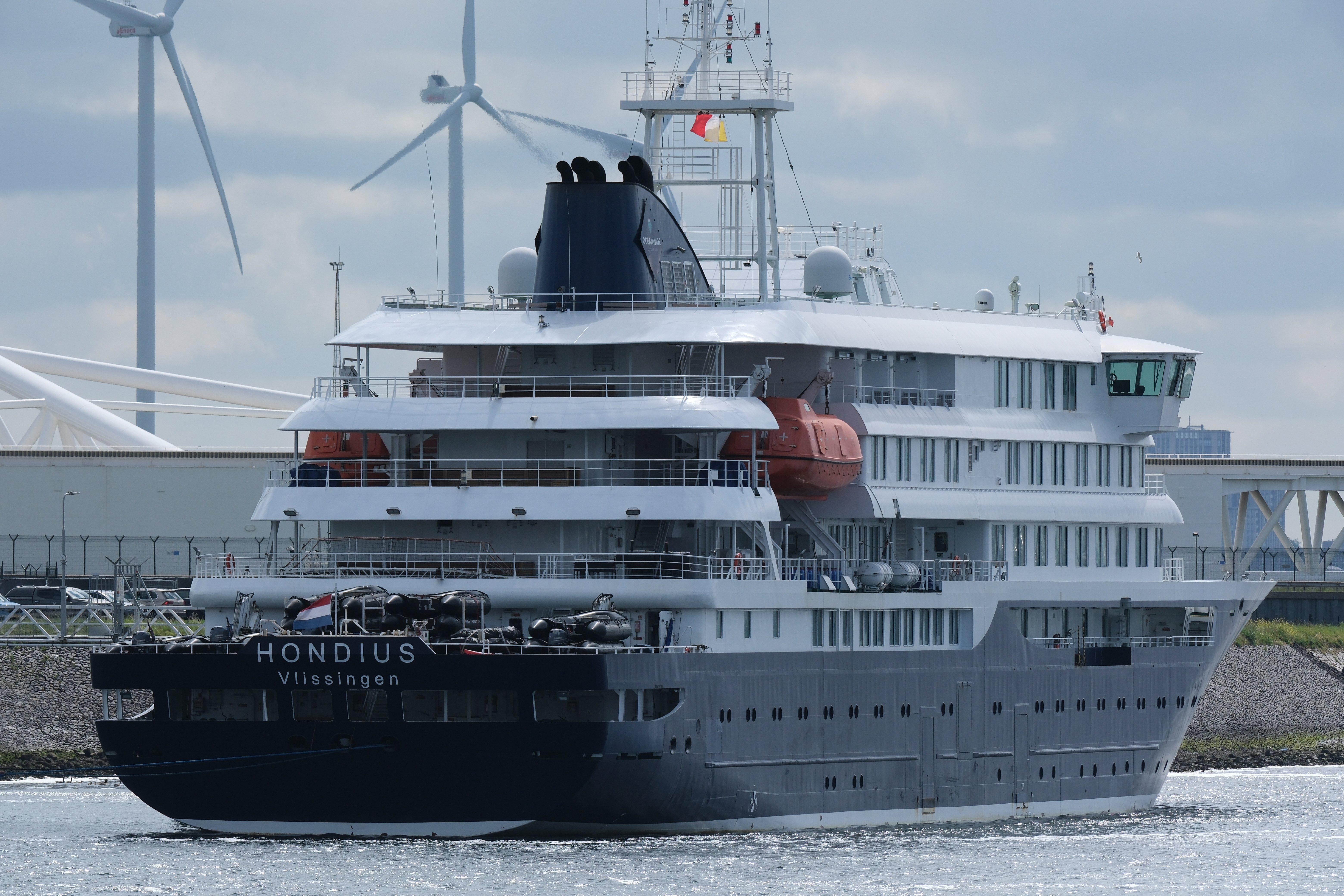
The last eight Americans who spent 42 days in a specialized hospital quarantine unit after exposure to an unusual hantavirus outbreak on a cruise that killed three people have left the facilities in Nebraska. U.S. Department of Health and Human Services (HHS) officials confirmed the end of the quarantine on Monday. 'Through close collaboration among federal, state, and local partners, HHS helped protect the American people, contain potential risks, and bring this response effort to a successful conclusion,' said HHS spokesperson Emily Hilliard in an email. More than 120 people of various nationalities were evacuated from the MV Hondius in the Canary Islands, Spain, in early May, including the 18 Americans who ended up in the National Quarantine Unit in Omaha. In addition to those evacuated by medical experts in full protective gear, at least 30 other passengers disembarked before the outbreak was documented, including seven Americans who were allowed to monitor for symptoms at home. When the ship finally docked in the Netherlands, 25 crew members and two medical staff remained on board and had to quarantine. The World Health Organization did not respond to questions on Monday about the status of all other individuals who had to quarantine worldwide. A total of 13 cases of the virus were identified, including the three fatalities, among those who were on the ship. Most Americans returned home, but some were forced to quarantine. One American passenger, Angela Perryman, had been held against her will and contrary to a government medical expert's recommendation. She noted in an interview on Monday that passengers were told the quarantine monitoring period would end on Sunday at 2 p.m. She left on a flight that night. Others were departing on flights on Monday, she indicated. 'They kept us locked in our rooms until 1:55. And at 2 o'clock, 'OK, well, everyone walk out and go home,' said Perryman, speaking from her home in Florida. Some spent the night elsewhere in Omaha, but Perryman pushed to take a flight home that same night. The government paid for the flights, she claimed. Seven of the last remaining patients stayed voluntarily, but Perryman was forced to remain due to a controversial quarantine order deemed unnecessary even by some health officials. Perryman and seven others spent six weeks in the National Quarantine Unit at the University of Nebraska Medical Center. This monitoring period was established because, in previous outbreaks, hantavirus symptoms have taken up to 42 days to appear. No reports indicated that any of them developed the illness. The seven stayed voluntarily, but Perryman was forced to remain due to the controversial quarantine order. Ten others in the facility were allowed to leave earlier under an agreement to be closely monitored in their home states. The outbreak occurred on a small cruise. The passengers were on a Dutch cruise ship, the MV Hondius, traveling through the South Atlantic, which became the site of a hantavirus outbreak that killed three people, including a Dutch couple who health officials believe were the first to be exposed to the virus while visiting South America. Hantaviruses typically spread when people inhale contaminated rodent droppings, but the hantavirus that caused the outbreak, known as Andes virus, could potentially be transmitted between people in rare cases, according to health officials. About 25 Americans were on the ship, including around seven who disembarked in April and 18 who remained on board. Sixteen were evacuated to the quarantine unit in Nebraska in Omaha on May 11, and two more Americans joined them a few days later. Passengers enjoyed the hospitality of Nebraska. During the passengers' stay, local restaurants in Omaha and food trucks delivered special meals for them to enjoy almost daily. Occasionally, nurses would go to Starbucks to bring them some of their favorite drinks. The rooms they stayed in were like hotel rooms equipped with a desk, television, internet access, and exercise equipment to help them pass the time. One passenger, Jake Rosmarin, posted a video on Monday morning titled 'Finally, I'm going home,' showing him leaving his room in the quarantine center, carrying two suitcases and a backpack, and turning off the lights as he exited the door. Later on Monday, he posted a video of the Omaha skyline taken from his airplane window as he headed home with his fiancée to Boston and his family. Rosmarin, a travel blogger, shared a tearful video on Sunday thanking the quarantine unit staff, the Omaha community, and his family and friends who helped him cope with the quarantine. 'I want to thank the Omaha, Nebraska community for welcoming us with open arms and showing us total kindness and generosity. And a big thank you to all of you who helped me get through this because I really don't know if it would have been as easy without the support of strangers,' he said while wearing a Nebraska Huskers sweatshirt that someone had sent him. Florida declined to monitor a passenger 24/7. Perryman had a darker view. She was forced to stay after Florida officials rejected a federal requirement that the state provide her with 24-hour surveillance if she returned home. This, even though, according to her, they had already begun making travel arrangements for passengers weeks earlier. 'At that point, no one really expected anyone to get sick,' she commented. 'Everyone was very aware that we were all going to go home on commercial flights.' She described the six-week quarantine as 'a political stunt.' This story was translated from Spanish by an AP editor with the help of a generative artificial intelligence tool. A Telemundo Digital editor reviewed the translation.
AI summary · Source: Telemundo McAllen (KTLM) →