House of Representatives Approves Bill to Make Daylight Saving Time Permanent
· Telemundo McAllen (KTLM)
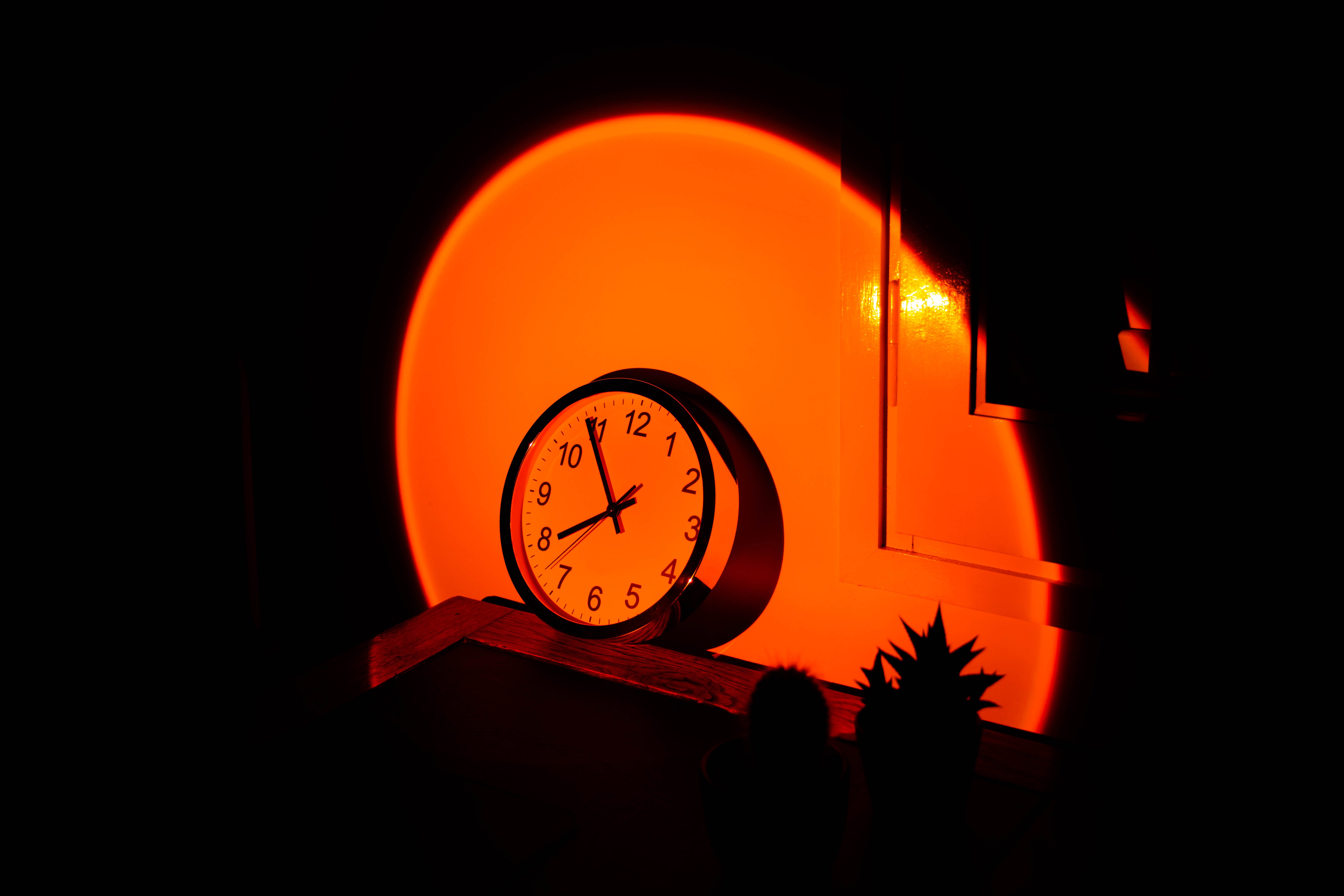
Efforts in Congress to make daylight saving time permanent gained momentum after the House of Representatives passed a bill that would eliminate the need for Americans to change their clocks twice a year. The legislation, known as the Sunshine Protection Act, was approved with 308 votes in favor and 117 against. It would establish the current daylight saving time observed from March to November nationwide, unless a state opted out before the law took effect. Former President Donald Trump publicly urged Congress to pass the legislation, stating on Truth Social on May 21 that he would 'work very hard to get the Sunshine Protection Act enacted.' He added, 'It’s time for people to stop worrying about the “clock,” not to mention all the work and money spent on this ridiculous twice-a-year procedure. It will also be a great VICTORY for the Republican Party. Take advantage of it!' The bill now moves to the Senate for consideration. A Senate version of the Sunshine Protection Act stalled last year after Senator Tom Cotton (R-Arkansas) opposed fast-tracking the bill through unanimous consent in October. Cotton argued that switching to permanent daylight saving time could have unforeseen negative consequences, pointing out areas of the country where the sun wouldn’t rise until 9 a.m. or later, and mentioned the potentially dangerous dark morning commutes for workers who would have to start early without sunlight. Changing the clock twice a year is unpopular among Americans, according to a 2025 AP-NORC poll, but opinions on how to modify the system are divided. Congress has attempted to address the issue before; in 2022, the Senate voted to make daylight saving time permanent through unanimous consent, a measure that failed to advance in the House. In the 1970s, President Richard Nixon enacted a law establishing daylight saving time as the norm for two years to save energy during the oil crisis; however, the legislation was repealed less than a year after taking effect due to disapproval from Americans regarding dark mornings. Almost all states have considered legislation to end the biannual clock changes, and 19 states have passed laws allowing them to keep daylight saving time year-round if Congress does the same, according to the National Conference of State Legislatures. Daylight saving time was temporarily implemented as a wartime measure during World War I and World War II, but it was not officially established nationwide until the Uniform Time Act of 1966, which set clocks forward one hour in March and back one hour in November. Arizona, Hawaii, and several U.S. territories, including Puerto Rico and the Virgin Islands, do not observe daylight saving time. This article was originally published in English by Raquel Coronell Uribe and Kyle Stewart for our sister network NBC News. The note was translated with the help of an artificial intelligence tool. An editor from Telemundo Digital reviewed the translation.
AI summary · Source: Telemundo McAllen (KTLM) →