Increase in Fake Insurance Cases in Texas; Be Prepared and Report Them!
· Telemundo McAllen (KTLM)
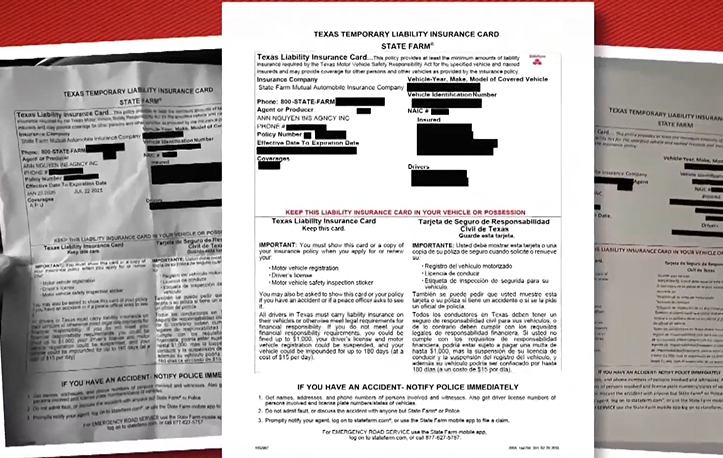
Some consumers, in search of the best auto insurance deal, may learn the hard way that the discount was too good to be true. At Ann Nguyen's State Farm office in Arlington, the insurance agent has been receiving calls from consumers with questions about policies Nguyen did not issue. “This is an example of a fraudulent insurance card someone sent us,” Nguyen said, referring to a digital card featuring the State Farm logo. “Part of the formatting is slightly off.” The card includes Nguyen’s name as the agent, but she did not issue the policy—it doesn’t exist. Consumers believed they had purchased liability insurance but paid someone through an unofficial website or social media. Often, they discover the policies are fake after an accident or a traffic stop. “They truly believed they were buying real insurance, and it’s very unfortunate,” Nguyen said. This issue doesn’t just affect Nguyen or State Farm. The Texas Department of Insurance (TDI) reported an increase in fraud cases involving fake insurance cards. In 2023, there were 38 reports to TDI. By 2025, the number had risen to 126, and 37 fraud reports were recorded in the first three months of this year—a sign the problem isn’t slowing down. Purchasing by Recommendation On the day Nguyen was interviewed, Lisa Hartman from Minnesota called her office. Hartman said she was helping a consumer named Raul Manzano respond to a court citation following a traffic stop. “They thought they had insurance to cover these things, but they don’t; it’s been horrible,” Hartman told NBC 5 Responds. Manzano now has to appear in court for possession of an invalid, altered, or fictitious insurance ID card. He told NBC 5 Responds he was looking for a cheaper policy when he paid $1,500 in cash for what he believed was six months of auto insurance coverage. Manzano, who does not have a U.S. driver’s license, said he relied on a recommendation and paid someone who knew someone selling insurance. He explained he didn’t realize the insurance proof he received indicated liability coverage in Texas, at least four states away from Minnesota. Hartman said they have been unable to contact the person Manzano paid, and it’s unclear where his money went. “He has a work permit and is trying to be here and do everything as legally as possible,” Hartman said. In Texas, Nguyen said she is working to gather information about who sold the fake insurance to consumers: “Who are they calling? Where are they meeting these people?” Nguyen noted that another consumer shared a phone number for someone they contacted. Telemundo 39 Responde reporter Olivia Martinez and NBC 5 Responds reporter Diana Zoga attempted to text and call that number but received no response. Warning Signs to Watch For Nguyen said most reports she receives involve immigrants who purchased fake insurance cards. The TDI warns that anyone can be a target. “Don’t rush to buy insurance. If you see something on social media saying, ‘Hey, there’s a great deal today,’ insurance companies typically don’t offer deals,” said Mistie Hinote of TDI. Hinote explained that this scam impacts all drivers. If an uninsured driver hits you, you may have to file an uninsured motorist claim on your policy—assuming you have that coverage. “That money comes out of the insurance company’s pocket, and they’ll pass it on to insured customers through higher premiums. So, we’re all seeing the effects of insurance fraud through our premiums,” Hinote said. When searching for insurance, TDI recommends ensuring the person selling the policy is licensed in Texas. Verify that the insurance company itself is legitimate. Consumers can call TDI’s helpline at 800-252-3439 for inquiries. Consumers can also report suspected fraud to the helpline. TDI advises against paying premiums in cash or through third-party payment apps. Legitimate insurers may offer online payment options, but only through their official website or app. TDI noted that scammers often rely on external payment platforms. Nguyen pointed out another red flag: anyone offering insurance with minimal questioning. “These scammers probably aren’t asking all the detailed or thorough questions we would need to issue a legitimate policy,” Nguyen said.
AI summary · Source: Telemundo McAllen (KTLM) →