
ICE Modifies Detention Standards for Facilities Housing Detainees
· Telemundo McAllen (KTLM)
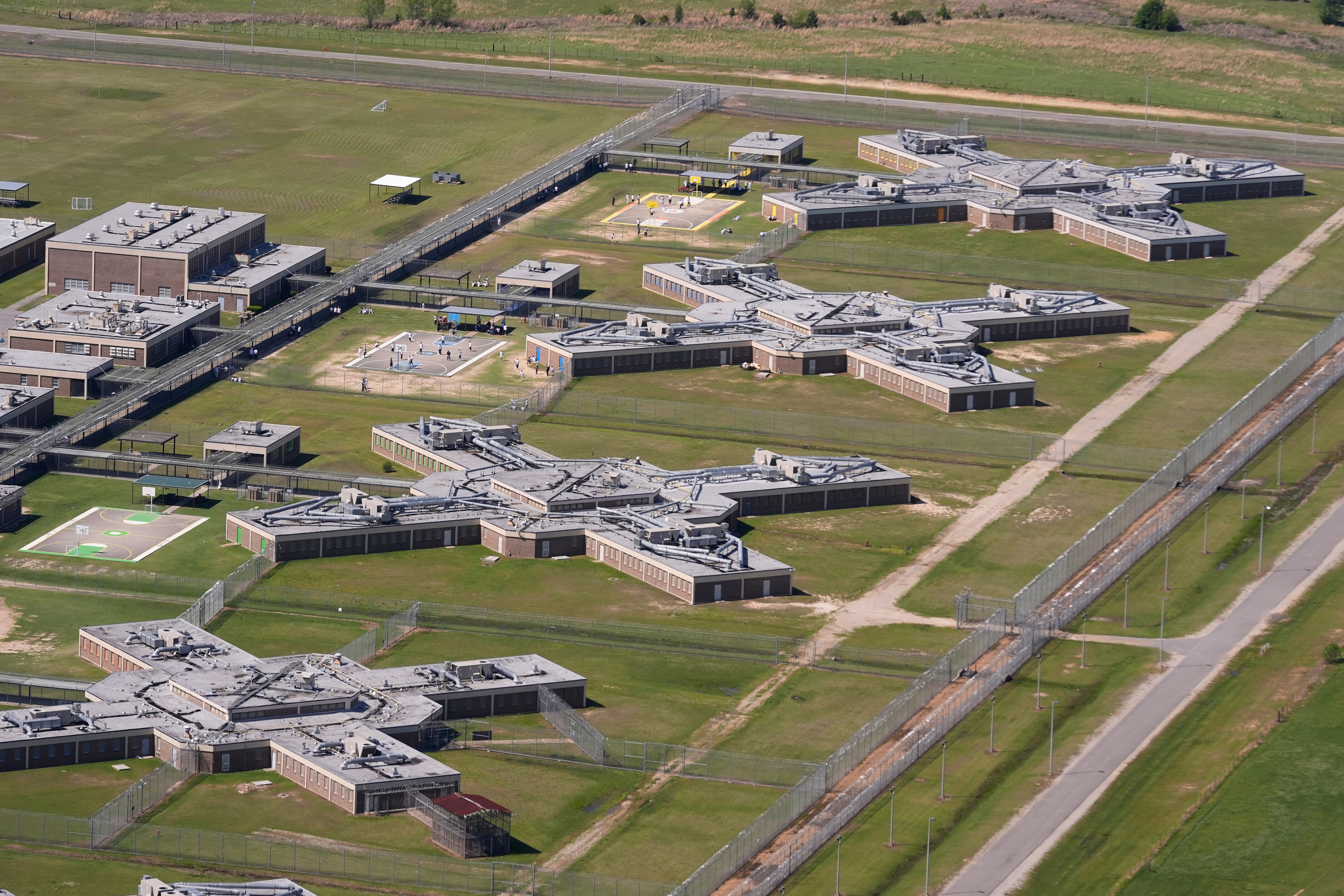
Contractors operating Immigration and Customs Enforcement (ICE) facilities may increasingly rely on artificial intelligence tools to communicate with detainees and continue to refuse to pay minimum wage for their 'voluntary work,' according to newly relaxed detention standards released on Monday. ICE stated that the rules, which apply to for-profit contractors and jails housing detainees, were revised to 'reduce the burden on our detention operators.' Experts noted that the changes would help contractors limit their legal liability, reduce costs, and gain more operational flexibility, while doing little to improve conditions for the approximately 60,000 individuals currently detained. Michelle Brane, former ombudsman for the Department of Homeland Security (DHS) who oversaw immigration detention practices during part of the Biden administration, remarked, 'This will result 100% in a deterioration of already problematic detention conditions.' The revisions come amid unprecedented death rates in ICE detention facilities and allegations of medical neglect, inadequate food, and other inhumane conditions. They also occur as ICE is flush with funds, having received more than half of the $70 billion spending bill for immigration enforcement signed by President Donald Trump last week. Dr. Sanjay Basu, a public health researcher who has studied deaths in ICE custody, noted that the changes include 'genuine improvements' in suicide prevention standards and mental health care. However, he argued that the overall trajectory is 'towards weaker standards governing an increasing proportion of the detained population.' ICE indicated that the changes streamline its rules and move towards more relaxed standards, similar to those used by the U.S. Marshals Service for holding federal inmates awaiting trial. The agency stated that it considered input from operators 'along with operational, legal, and public policy requirements in making a final decision.' Dr. Homer Venters, a healthcare expert in correctional facilities, expressed concern that the changes could reduce access to language assistance by eliminating mandates for in-person and phone interpretation and translation services. The revised standard allows facilities to use AI tools, such as machine learning-based translation or generative AI, for 'non-critical communication' or 'informal interactions with detainees.' This communication could include providing and receiving information from detainees during intake, holding conversations with detainees in housing units, and responding to a detainee's complaint or other concerns. Venters described the changes as alarming because complaints often involve 'very urgent or even emergent information, such as when a patient has been denied life-saving care.' He noted that the rule also leaves unclear whether health assessments, crucial for detecting medical and mental health conditions, could be conducted via AI. ICE stated that the rules ensure contractors provide interpretation and translation services 'at no cost to detainees.' Several experts expressed concern over a change that prohibits facility operators from refusing to admit any detainee sent by ICE. This change means that facilities may not be able to immediately transfer seriously ill or disabled detainees to hospitals or other care settings that they cannot accommodate, but it could reduce their liability for subsequent deaths. A related rule change requires facilities to request ICE to transfer detainees they cannot care for to other locations, but this may not happen until several days after they are admitted. Dora Schriro, former director of ICE's Office of Detention Policy and Planning during the Obama administration, stated that the new terms clarify that detainees participating in voluntary work programs are not employees and therefore do not have rights to wages and benefits, which is 'a favor' for ICE's for-profit contractors. For years, detainee advocates have argued in lawsuits that these programs, where detainees receive a stipend of just $1 per day for work, amount to forced labor. Lawsuits have sought to recover millions in unpaid wages from ICE contractors like GeoGroup and CoreCivic, and they may now face more difficult odds of success as their legal defenses are strengthened, Schriro noted. Another change prohibits facilities from paying above the historic minimum of $1 per day, which was allowed under the previous standard and was an argument used against contractors in court, said Carmen Iguina Gonzalez, an immigration detention expert with the American Civil Liberties Union. Claire Trickler-McNulty, a former DHS and ICE official and detention standards expert, stated that ICE could use the increase in its budget to improve conditions instead of 'lowering standards across the board.' She recalled that in previous administrations, she pressured ICE facilities to add soccer fields and other recreational improvements and visitation enhancements with surplus funds. 'Their goal is to make things easier for the jail operators,' she said. 'They are no longer trying to ensure that the focus is on the detainees, their care, and their experience in custody.' This story was translated from Spanish by an AP editor with the help of a generative artificial intelligence tool. A Telemundo Digital editor reviewed the translation.
AI summary · Source: Telemundo McAllen (KTLM) →


