Adoptions of Pets in Texas Halted Due to Screwworm; Here’s the Situation
· Telemundo McAllen (KTLM)
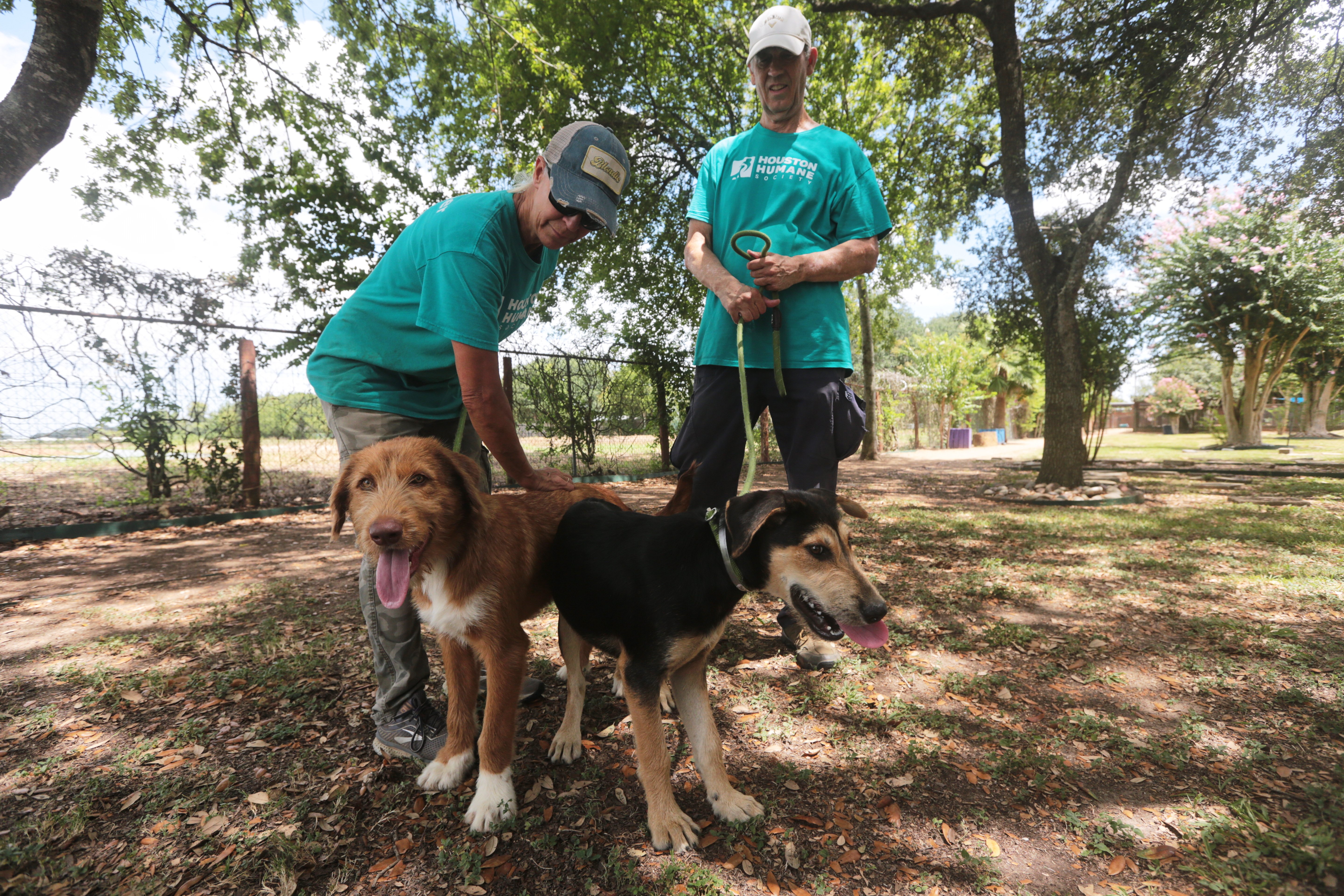
Pet adoptions are on hold for thousands of dogs and cats in Texas due to efforts to curb the spread of the New World screwworm, an insect that has crossed the border from Mexico into the United States for the first time in 60 years. This could put animals at risk of being euthanized. The carnivorous parasite threatens the national beef industry, valued at $113 billion, prompting federal authorities to close the border to livestock transit. Since the screwworm can also infect pets, most states have restricted the movement of animals from infested areas in Texas to other regions of the country, leading to overcrowding in state shelters that rely on adoptions. "It has complicated things for both small rescues and larger shelters," said Mia Bendixsen, executive director of the Texas Humane Legislation Network, which advocates for animal welfare laws. The screwworm lays eggs that hatch into larvae that consume flesh in wounds or mucous membranes of any mammal, and of the dozens of infections in South Texas and southeastern New Mexico, several have occurred in dogs. Forty-four states have restricted the transport of pets from infested areas, creating challenges for Texas shelters that typically send thousands of animals to other states each year. In Corpus Christi, the Gulf Coast Humane Society was unable to transfer rescued dogs to New York for weeks, causing the shelter's animal population to rise from about 325 to nearly 450. The shelter, which sends about 500 dogs out of Texas each year, created more space in outdoor exercise areas until New York allowed the entry of dogs from Texas again, provided a veterinarian certified that none were infected with the screwworm. They added that if their shelter does not have space to take in animals from municipal shelters, "then they have to euthanize more animals." Texas has a surplus of dogs and cats available for adoption. Transporting dogs and cats from Texas to other states, particularly to the Northeast or the Great Lakes region, has become crucial for saving stray and abandoned animals. In 2025, Texas transported nearly 89,000 unadopted dogs out of its shelters, more than any other state, according to the American Society for the Prevention of Cruelty to Animals. It also euthanized about 45,000 dogs, again more than any other state, according to the data. Texas led the number of cats transported out of its shelters—almost 53,000—and ranked second, behind California, in cats euthanized, with nearly 29,000. Texas has more stray dogs and cats than any state except California—about 439,000 in 2025—largely due to its high population and size. The warm climate also allows strays to survive longer and reproduce more, veterinarians and animal welfare advocates noted. They added that pet owners in Texas seem less willing to spay or neuter their dogs. "There are people with working dogs on ranches and farms, both males and females, who feel that the animal will lose some of its drive," explained veterinarian Lori Teller, executive director of the Texas Veterinary Medical Association. Shelters and animals are under pressure. In Houston, Aaron Grady, director of the Humane Society shelter, indicated that the inability to send animals out of state has put more pressure on them. "If an adopter walks through the kennels and sees a dog that may be sitting quietly and comfortably in one, and then in the next, there’s a dog bouncing off the walls and barking from stress, the first one may seem more desirable," Grady explained. The Houston shelter has worked to keep its animal population—mainly cats and dogs—around 200, relying on a network of foster homes for up to 300 more and helping owners keep their animals a little longer. Most states have tightened rules for importing animals. The restrictions on animal transport came after efforts by the U.S. Department of Agriculture to prevent the screwworm fly from crossing the border with Mexico. These efforts include building a $750 million fly factory in South Texas to breed billions of sterile males; the facility is expected to open in April 2027. The U.S. had largely eradicated the fly in the early 1970s by breeding sterile males and releasing them from planes to mate with females, which laid eggs that did not hatch. Smaller facilities in Texas and southern Mexico have dispersed sterile flies bred in Panama, and another is planned for Arizona. A week after the first reported case in Texas this year, Florida—where the screwworm fly can thrive—banned the import of rescued dogs and cats from Texas and New Mexico. Other states required veterinarians to inspect animals and declare them free of the parasite. Many shortened the validity period of a certification from the typical 30 days to just three. Shelters were facing space issues long before the return of the screwworm. State restrictions affect an animal welfare system that has long lacked funding and other resources, said Delcianna Winders, director of the Animal Law and Policy Institute at Vermont Law and Graduate School. She noted that shelters need more money and space, but communities should also demand that animals be spayed or neutered and have programs to provide those services if people cannot afford them. "If we could provide at least basic support, maybe they could keep those animals in their homes, and that’s one less animal in a shelter, one less animal that dies," she stated. COVID-19 also strained the system, partly because pandemic restrictions paused spaying and neutering. The rising cost of living is another reason people are surrendering animals to shelters. "Many people simply say, 'I can’t do this anymore,'" said Brandon Krodle, animal control supervisor in Greenville, Texas, a rapidly growing city northeast of Dallas. A trip from Texas to Indiana saved her dog’s life. Mills, the director of the Corpus Christi shelter, has a dog that would have died in 2015 if not for a nearly 1,000-mile trip from Paris, Texas, to Angola, Indiana, where Mills was working at the time. Zuri, a young female mix of shepherd and pit bull, was on a list of dogs slated for euthanasia, and Mills’ counterpart in Texas asked her to add Zuri to a transport. Zuri’s right ear doesn’t fully stand up, and the puppy had "the cutest little face," Mills recounted, but she chose her because it seemed like she was "really thinking things through" while Mills spoke to her. She broke a personal rule of not taking animals home from her shelter. When Mills moved to Corpus Christi in 2020, Zuri returned to Texas. "At the shelter I was at in Indiana, we were transporting animals from Texas and southern states every week," she recalled. This story was translated from English by an AP editor with the help of a generative artificial intelligence tool. A Telemundo Digital editor reviewed the translation.
AI summary · Source: Telemundo McAllen (KTLM) →