
In 'Toy Story 5', the digital age threatens toys with the purchase of a Lilypad
· Telemundo McAllen (KTLM)
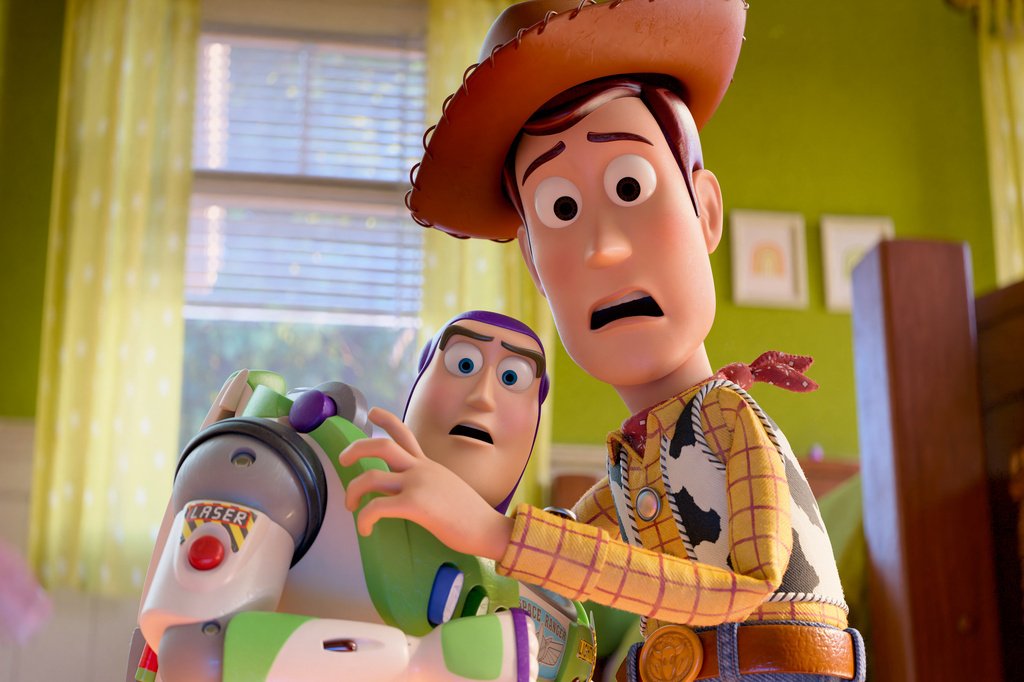
The 'Toy Story' films, much like 'Star Wars' and Michael Jordan's games with the Washington Wizards, present a canon dilemma. The first three films form an almost perfect trilogy that spans childhood, from bedroom play to college, capturing both charm and loss. However, narrative purity is not a lasting principle in modern Hollywood franchise management. Nine years after 'Toy Story 3'—a flawless ending akin to Jordan's farewell jumper in 1998—came 'Toy Story 4', which grossed a billion dollars and disrupted the artistic arc of 'Toy Story'. Despite my reservations, I had to admit 'Toy Story 4' was quite good. It explored Woody's journey as a father facing an empty nest. Now, 'Toy Story 5' emerges as both a crime against humanity and a solid entry, likely ranking fifth among the series. Directed and co-written by Pixar veteran Andrew Stanton, it features Jessie more prominently and introduces Bonnie, who is a notable improvement over Andy. The film tackles the recognizable conflict of toys versus technology, as Bonnie's parents buy her a Lilypad tablet, leading to alarming consequences for the toys. The narrative reflects the pervasive influence of screens on childhood, giving 'Toy Story 5' a meaningful purpose. The film includes themes of loneliness and the importance of play, culminating in a mission to reunite Bonnie with a new friend. With engaging action and imaginative sequences, 'Toy Story 5' encourages children to play independently. The film, a Walt Disney Co. release, is rated PG for thematic elements and crude humor, with a runtime of 102 minutes and a rating of three out of four stars.
AI summary · Source: Telemundo McAllen (KTLM) →