TPS for Salvadorans Expires in Less Than a Month; Here’s What You Need to Know
· Telemundo McAllen (KTLM)
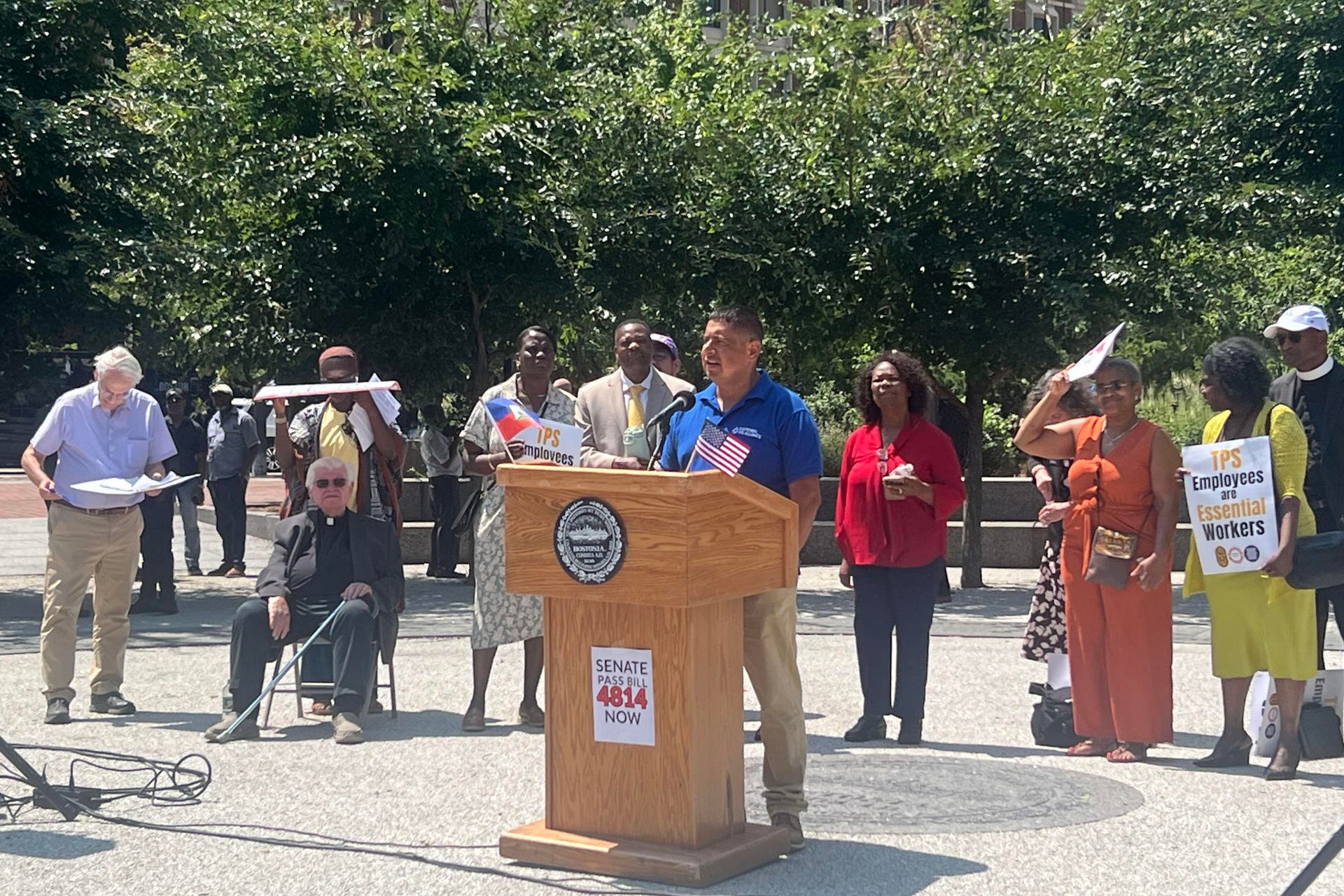
More than 170,000 Salvadoran immigrants have begun a race against time to avoid deportation, with less than a month until the Temporary Protected Status (TPS) for El Salvador expires, a benefit that has been targeted by President Donald Trump's administration since his first term. The TPS for Salvadorans will end on September 9, leaving beneficiaries without work permits and at risk of deportation. "People (those protected by TPS) are terrified," says Teresa Tejada, director of the Association of Salvadorans in Los Angeles (ASOSAL), which has been advocating for renewals of the protection granted in February 2001 following two earthquakes that struck the country that year. She notes that in recent days, the organization’s phone has been ringing off the hook with questions from Salvadorans who are "in a panic" over the potential cancellation. The outlook for these immigrants is not very hopeful. Immigration attorney Fernando Romo believes it is "unlikely" that the protection will be extended, citing orders against the program issued by President Trump during both his first (2017-2021) and current administrations. In January 2018, the Department of Homeland Security (DHS) ordered the cancellation of TPS for El Salvador, giving beneficiaries (about 180,000 at that time) 18 months to seek another path to residency or leave the country. The program managed to survive due to a court order following a lawsuit filed by beneficiaries and their U.S. citizen children, claiming the government acted on discriminatory and racist grounds. Despite this setback, Trump continued his campaign upon returning to the White House, eliminating protections for several countries, including Venezuela and Haiti, which also went to court. However, this time the Republican secured a victory when the Supreme Court ruled that he had the authority to revoke TPS. In the case of El Salvador, a country with which Trump currently has good relations, it is believed that the administration will simply allow the protection to expire for about 170,000 immigrants, according to data from The National Immigration Forum. These Salvadorans will lose their work permits and legal residency status, putting them at imminent risk of deportation. It is a "very complicated" situation, estimates Romo. The fear among TPS beneficiaries, known as 'tepesianos,' is so great that they have gone from being very vocal to nearly silent: "Immigration is watching who protests, so it’s time to stay quiet," said a Salvadoran TPS beneficiary who wished to remain anonymous. While Tejada understands the fear, she also believes that only a coordinated fight that includes immigrants can save the protection. This message has been reinforced in recent days by Salvadoran José Urias, who is urging Congress to act and extend the protection for about 16 countries. Urias, a businessman who employs more than 50 people in Malden (Massachusetts) and is protected by TPS, has been an active face in the TPS Alliance movement, created to defend the program. "Those of us favored by TPS are hardworking people, we have clean records, the FBI checks us every 18 months, and we pay taxes. So why do they want to kick us out of the country?" he questions. He shares that although he has a construction and real estate business that generates jobs and pays taxes, he has not found another way to change his TPS status in decades. "We have never been given that path to citizenship. It’s time for Congress to act," he insists. For Tejada, the intervention of El Salvador's President Nayib Bukele is also necessary in this fight, as tepesianos send remittances to their country. However, the president has been unable to stop deportations, which grew by 73.8% in the first half of 2026.
AI summary · Source: Telemundo McAllen (KTLM) →