Trump announces all 50 states join Medicaid pricing plan, here's what you need to know
· Telemundo McAllen (KTLM)
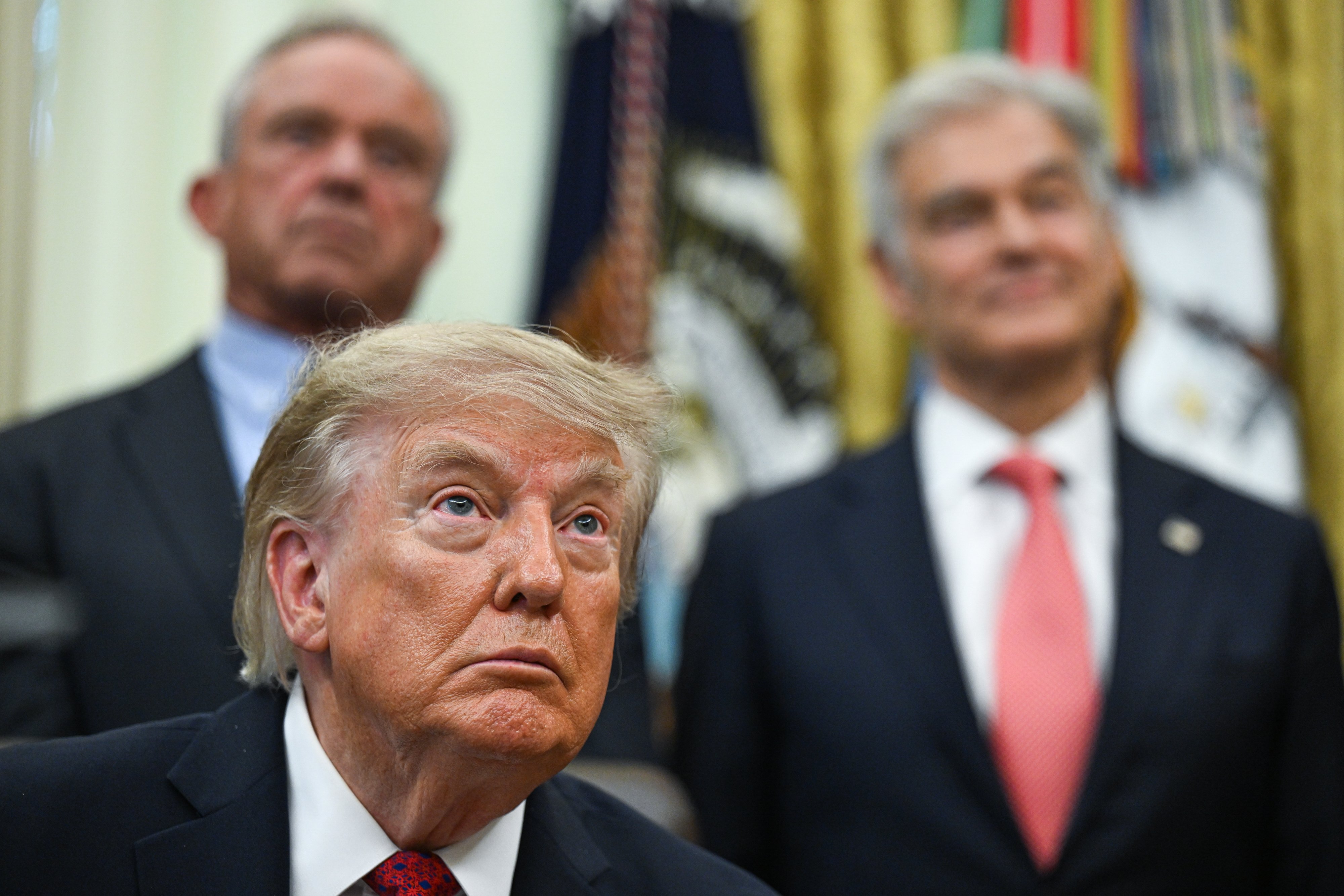
The Trump administration claims that Medicaid will save billions on prescription drug costs thanks to this plan, called the 'GENEROUS' Medicaid model. However, experts point out that the actual scope of the savings is unclear, as the details of the agreements have not been made public. 'This measure alone should give us victory in the midterm elections,' Trump stated on Friday to the press in the Oval Office, accompanied by Health and Human Services Secretary Robert F. Kennedy Jr., Medicare and Medicaid Services Administrator Mehmet Oz, among other officials. The announcement comes at a time when the cost of living is among the top concerns for voters ahead of the November midterm elections. To address affordability concerns, Trump has struck deals with pharmaceutical companies to prevent the cost of certain medications in the U.S. from being drastically higher than in other developed nations. Critics argue that his administration has not presented a viable plan to comprehensively tackle rising healthcare costs, especially after Republicans allowed subsidies from the Affordable Care Act to expire earlier this year, leading to a significant increase in plan costs. Last year, Trump signed an executive order to implement a 'most favored nation' policy, under which the U.S. would pay for medications the same price as the country with the lowest price in the world. In May, the White House estimated that Trump's agreements with pharmaceutical companies to reduce the prices of certain prescription drugs in the U.S. to levels in other countries could save $529 billion over the next decade. Medicaid beneficiaries—jointly funded by states and the federal government for low-income individuals—already pay a nominal copayment of a few dollars when filling their prescriptions; however, lower prices could ease the burden on state budgets that fund these programs. Trump stated that 'each state will have the opportunity to use those billions of additional dollars to invest in other healthcare improvements or any other initiative.' The actual cost of the announced savings is unclear, as few details have been released about the agreements reached between the Trump administration and the participating pharmaceutical companies, making it difficult to independently verify the projected savings figures. Kathy Hempstead, senior policy advisor at the Robert Wood Johnson Foundation, told The Associated Press that there is considerable pressure on the administration to provide more detailed data to justify its claims about cost savings, and that the lack of information hinders legislative action. 'He argues that Congress should legally enshrine all of his Most Favored Nation (MFN) agreements,' Hempstead noted. 'But that seems unreasonable, as it is unclear what Congress would actually do. No one knows what these agreements contain.' She added that there are concerns about whether the current administration's tenure will affect the permanence of these price reductions and whether prices will rise again once the administration leaves office. There are those who wish for more people to benefit from lower drug prices. JD Hayworth, former Republican congressman and spokesperson for the Pharmaceutical Reform Alliance, stated in a release that Friday's announcement reflects 'a significant but incomplete advance,' as millions of Americans not enrolled in public health programs also desire lower drug prices. Drug prices for patients in the United States can depend on various factors, including the competition faced by a treatment and insurance coverage. Most people have coverage through their employment, the individual insurance market, or government programs like Medicaid and Medicare, which protect them from much of the cost.
AI summary · Source: Telemundo McAllen (KTLM) →