Duane 'Keffe D' Davis to be sentenced for the murder of rapper Tupac Shakur in 1996
· Telemundo McAllen (KTLM)
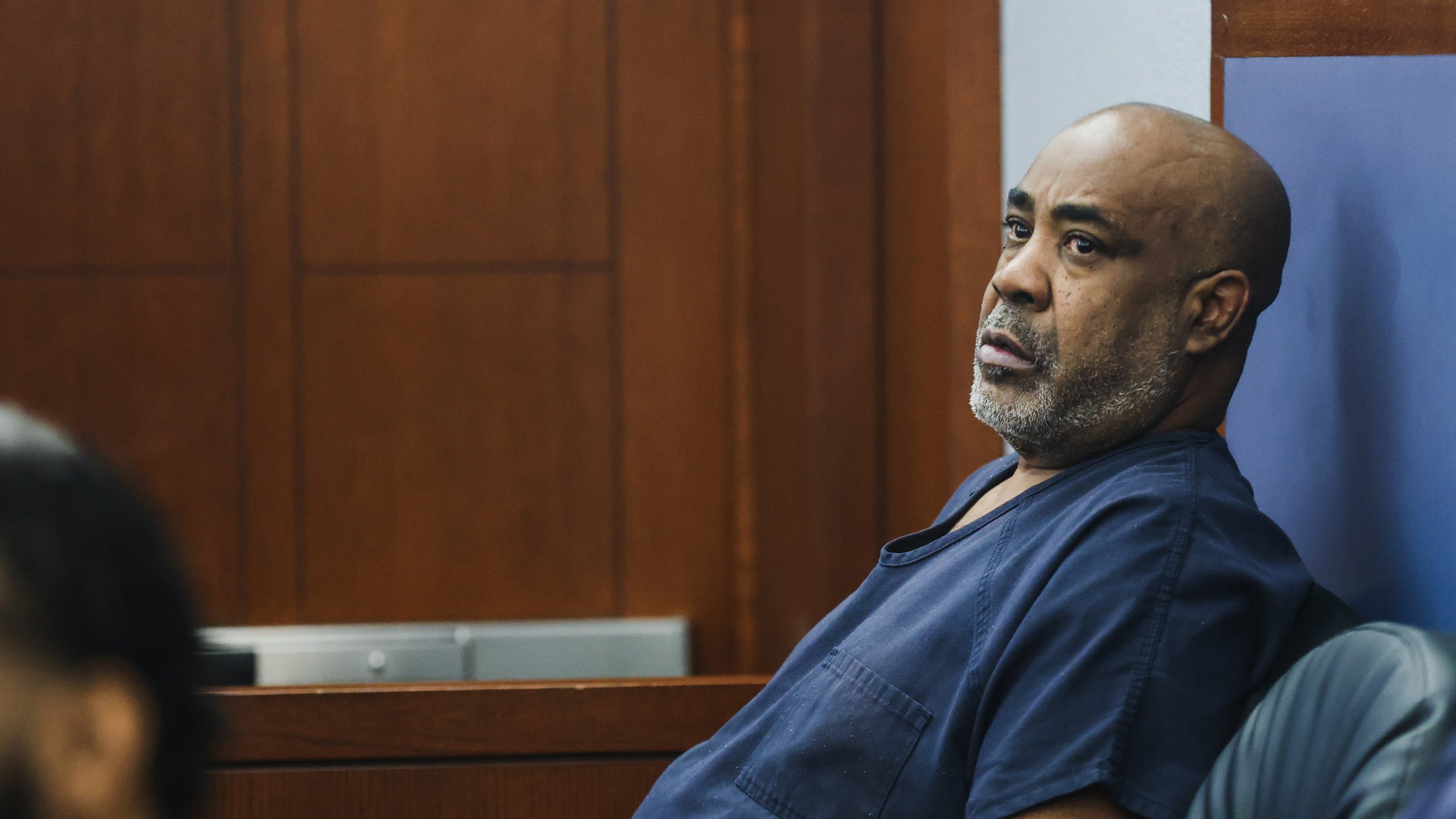
What you need to know Duane 'Keffe D' Davis was found guilty of first-degree murder for the shooting death of the 25-year-old rap icon near the Las Vegas Strip on September 7, 1996. Prosecutors portrayed the former gang member as an influential leader who orchestrated the shooting in retaliation for an assault on his nephew in a casino lobby that same night. Much of the prosecution's case focused on the defendant's own words about the fatal incident, including police interviews and a 2019 memoir. Davis's attorneys have questioned the statements and said he had never been charged before for Shakur's murder because authorities knew he was 'talking nonsense.' Duane 'Keffe D' Davis faces sentencing on Tuesday after being found guilty of first-degree murder for orchestrating the death of rap legend Tupac Shakur three decades ago in Las Vegas. Davis, the only person to face charges in Shakur's 1996 shooting, could receive up to life in prison without the possibility of parole. The verdict was issued in August, just hours after closing arguments and the jury began deliberations in the approximately two-week trial in a Nevada court. Testimony largely focused on past interviews and other comments about the homicide made by Davis, a 63-year-old former gang member. The panel of 10 women and six men heard from two dozen prosecution witnesses and three from the defense. Following the verdict, Judge Carli Kierny ordered Davis to remain in custody without bail while awaiting sentencing. Davis was not accused of firing the weapon that killed Shakur at 25, but prosecutors have presented him as a leader who organized the attack in retaliation for a fight in a casino lobby earlier that night involving Shakur, his entourage, and Davis's nephew. Much of the prosecution's case centered on the defendant's own words about the Las Vegas shooting that shocked the hip-hop world. The case remained unsolved for decades until Davis's public interviews and his 2019 memoir helped reignite scrutiny over the murder. 'Under California and Nevada law, if you are the one who gives the order, if you hand the weapon to someone, even if you didn't pull the trigger, it's the same,' said NBC4 legal analyst Royal Oakes.
AI summary · Source: Telemundo McAllen (KTLM) →