Trump's Order Aims to Reduce the Number of Diseases for Which Children Are Vaccinated
· Telemundo McAllen (KTLM)
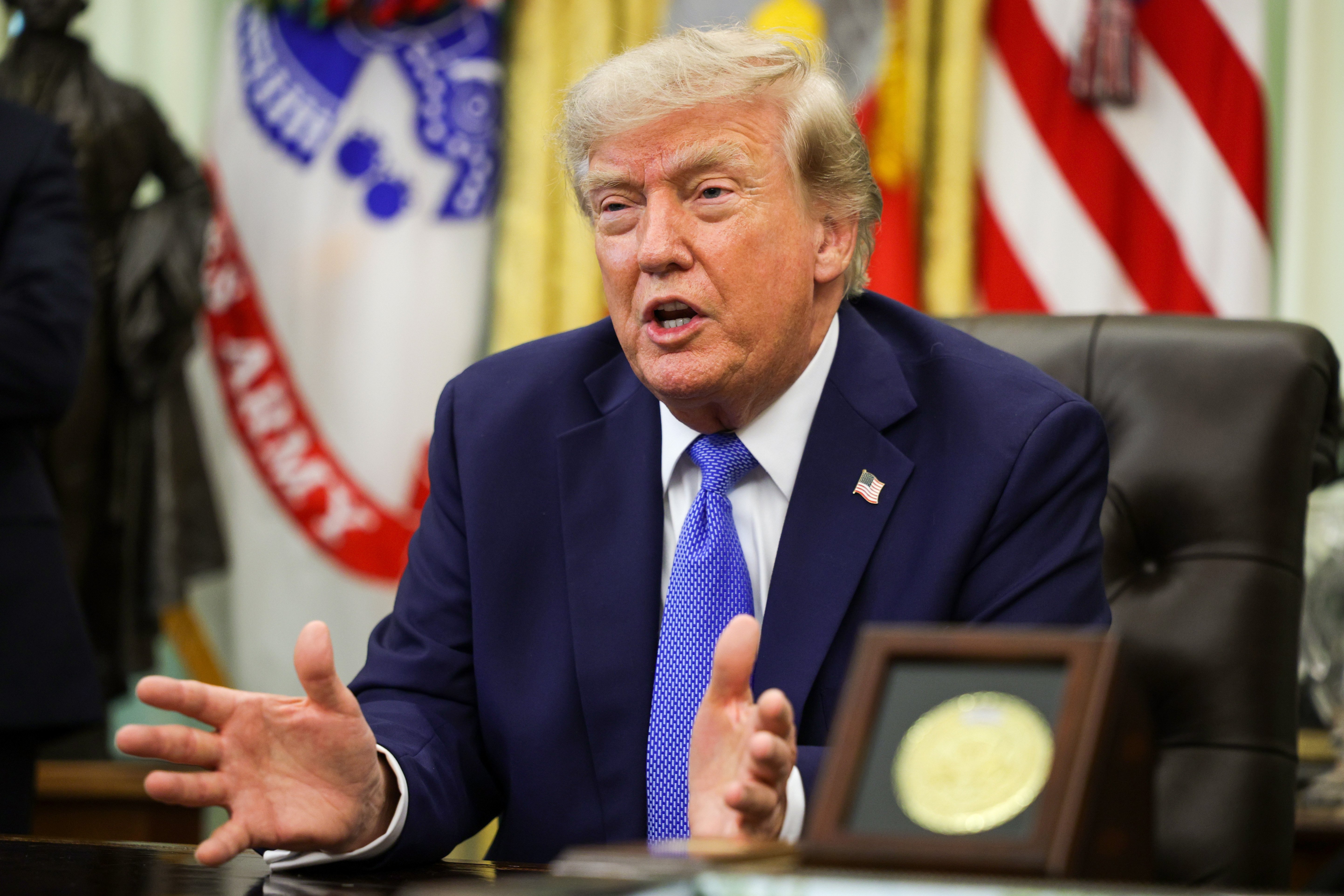
On Monday, President Donald Trump issued an executive order aimed at reducing the number of universally recommended vaccines for children; a measure that reaffirms the drastic modification of the vaccination schedule previously announced this year by Health Secretary Robert F. Kennedy Jr., which had been blocked in court. Similar to that modification, the new order recommends reducing the list of diseases against which all children must be vaccinated from 18 to 11, according to a fact sheet obtained by NBC News. Other vaccines would be subject to a so-called 'shared clinical decision-making' process between parents and the child's doctor. In theory, the proposed changes do not prohibit access to childhood vaccines; rather, Kennedy stated on Monday that his goal is to provide options for parents. The recommended childhood immunization schedule in the United States has never been mandatory. In his announcement, Trump linked the vaccination changes recommended by the order to concerns about rising autism rates in the U.S., despite decades of research showing no relationship between autism and vaccines. 'While we do not know the exact cause of autism, it is crucial for our research efforts to have the best vaccination recommendations in the world; that’s why we are reducing them,' Trump stated. Heidi Overton, Deputy Assistant to the President for Domestic Policy, noted during Monday's announcement that, since Kennedy's previous vaccination reform is stalled in the courts, Trump is 'correcting that mistake' through his executive order. The order also recommends that all childhood vaccines be administered during separate medical visits and that the combined measles, mumps, and rubella vaccine be divided into three separate doses, according to the fact sheet. Currently, there are no individual vaccines of this type approved by the FDA or available on the market. The combined MMR vaccine, recommended for children aged 12 to 15 months and 4 to 6 years, has been available since 1971, partly to reduce the number of injections children receive. Separating the vaccines would mean that children would receive six injections instead of two. This measure is based on a previous provision aimed at aligning U.S. childhood vaccination recommendations with those of other developed countries. Some current and former Trump administration officials have pointed to Denmark as an example, where vaccines for flu, COVID-19, RSV, chickenpox, and other diseases are not part of the universal childhood vaccination schedule. However, many public health experts argue that the burden of infectious diseases is different in the U.S., given the size and diversity of its population. Additionally, Denmark has a universal healthcare system, unlike the United States.
AI summary · Source: Telemundo McAllen (KTLM) →