Congress Chooses the Only Daylight Saving Reform Version That the U.S. Already Tried, Hated, and Repealed
· Telemundo McAllen (KTLM)
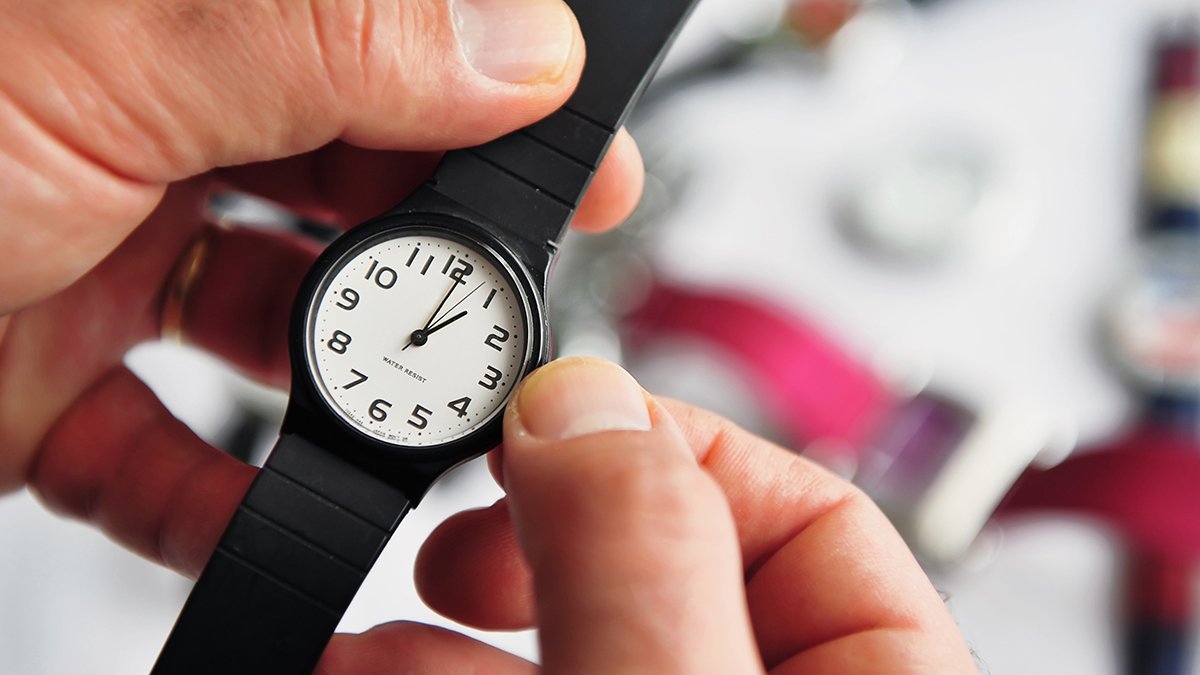
If a new bill to make daylight saving time permanent becomes law, Americans may no longer have to worry about changing their clocks twice a year. However, some social media users still do not want to reverse the current policy. On July 15, the House of Representatives approved the Sunshine Protection Act of 2025 to establish year-round daylight saving time, with the support of President Donald Trump. If enacted, Americans will experience darker mornings and later sunsets during the winter. 'Congress just chose the only version of daylight saving reform that the U.S. has already tried, hated, and repealed,' reads a post on X from July 14. History shows that the U.S. has been through this before. The Standard Time Act of 1918 established U.S. time zones; daylight saving time was standardized in 1966. This law allowed states to opt out of observing daylight saving time, which Hawaii and Arizona did. In 1973, President Richard Nixon signed the Emergency Daylight Saving Time Energy Conservation Act to reduce energy consumption amid an oil crisis caused by an OPEC embargo aimed at punishing the U.S. for its support of Israel. The bill instituted a two-year trial period of permanent daylight saving time in most states, hoping that more evening light would save fuel. 'We have taken several steps to address the energy crisis, and more will need to be taken. Many of these involve inconveniences and sacrifices,' Nixon said. 'But year-round daylight saving time will result during the winter months in an estimated savings equivalent to 150,000 barrels of oil daily, meaning only minimal inconveniences and requiring the fair participation of all.' Permanent daylight saving time began on January 6, 1974, coinciding with the coldest and darkest part of winter in many states. Soon after, news of early morning traffic accidents heightened safety concerns. In Florida, eight children died within a month of the trial period's start, compared to two in the same period the previous year. Six of the deaths were attributed to the lack of sunlight when children were heading to school, a Florida Department of Education spokesperson told The New York Times that year. Then-Florida Governor Reubin Askew called the state legislature into a special session and proposed that most of the state return to standard time. 'Any disruption in commerce would be truly insignificant compared to the life of a single child,' Askew said at the time. As most Americans began their mornings in complete darkness, the popularity of the new law plummeted: 79% of Americans supported the change in December 1973, but by February 1974, that number had dropped to 42%, according to the National Opinion Research Center at the University of Chicago. Even the arrival of spring and summer—the sunniest seasons when Americans were already accustomed to daylight saving time—did not stop U.S. politicians from working to reverse the change. On August 19, 1974, the House of Representatives voted to end the trial period of permanent daylight saving time early. The Senate voted similarly and sent the proposal to President Gerald Ford. On October 27, the U.S. returned to standard time.
AI summary · Source: Telemundo McAllen (KTLM) →