
Between Mourning and Hope: Texas Remembers a Year Since the Deadliest Floods in Its Recent History
· Telemundo McAllen (KTLM)
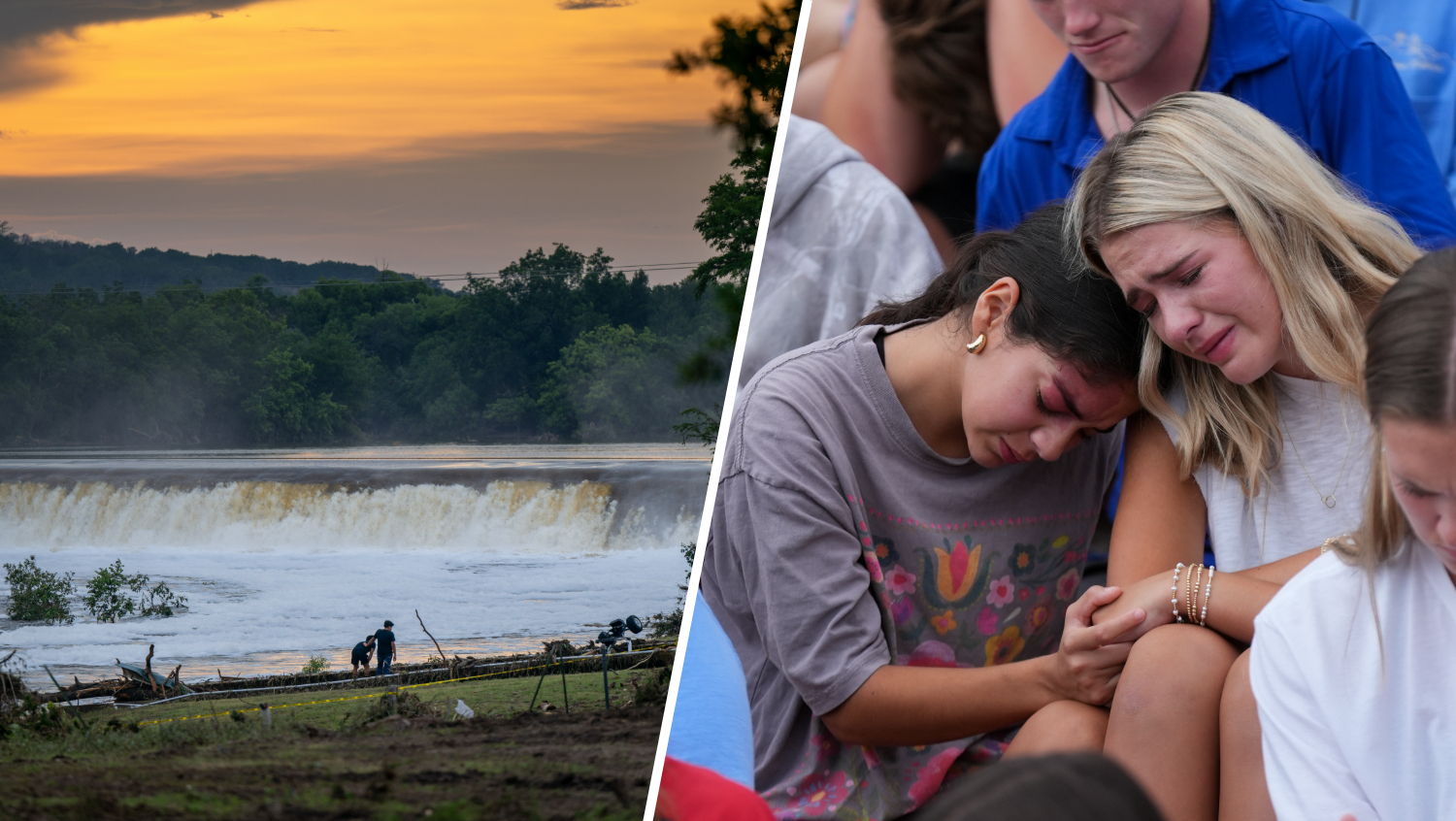
As thousands of families across Texas woke up with the hope of celebrating July 4th with music, events, and fireworks, others began one of the most painful days of their lives: desperately searching for their loved ones among the mud, debris, and devastation. The catastrophic floods that struck the mountainous region of Texas, known as the Hill Country, on July 4, 2025, turned a day of celebration into a tragedy that forever marked the state. The disaster resulted in 139 deaths, hundreds of shattered families, and entire communities in mourning. According to the National Weather Service, 119 of those deaths occurred along the Guadalupe River, the area hardest hit by the relentless force of the waters, where hundreds of lives were affected by tragedy in just a few hours. What was meant to be a national celebration turned into one of the deadliest and most devastating natural disasters in Texas's recent history. The National Weather Service reported that a band of rain between 7 and 12 inches fell over the southern branch of the Guadalupe River, with much of that precipitation recorded in just three hours. The storms produced extremely intense rainfall rates, at times exceeding 4 to 5 inches per hour. Emergency calls released by the Kerrville Police Department depict the horror experienced during the July 4th floods, with families pleading for help as water invaded their homes and escape routes disappeared. In response to the tragedy, Texas implemented new laws aimed at enhancing safety in youth camps and improving emergency response. In September 2025, Governor Greg Abbott signed three key measures to address the shortcomings revealed during the disaster. These laws require youth camps to have emergency plans, alert systems, and trained personnel to respond to critical situations, as well as impose fines for non-compliance. The legislation also mandates that parents sign documents acknowledging the risks associated with camps located in FEMA-designated flood zones. Following a legislative investigation, it was concluded that Camp Mystic lacked adequate procedures to handle an emergency of that magnitude, leading to its withdrawal of the application to operate in the summer of 2026 and subsequent bankruptcy protection under Chapter 11. While most camps in the region have reopened under new safety measures, the affected families remain focused on ensuring that a catastrophe like this does not happen again.
AI summary · Source: Telemundo McAllen (KTLM) →


