In His First Encyclical, the Pope Calls for Disarming AI with Strong Regulation
· Telemundo McAllen (KTLM)
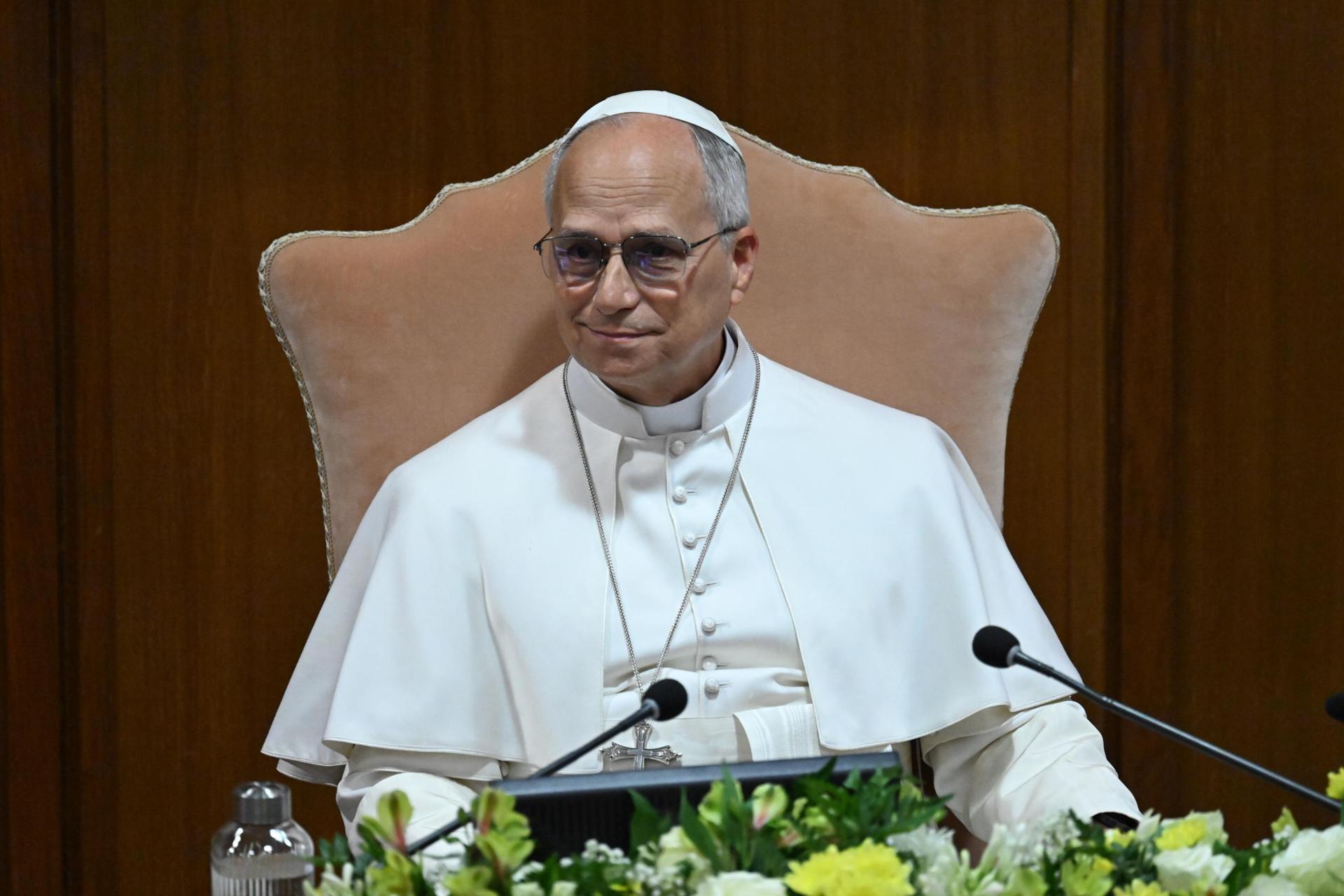
Pope Leo XIV called on Monday for robust regulation of artificial intelligence and urged its developers to work for the common good rather than profit, in a broad manifesto on how to safeguard humanity as technology impacts everything from work to warfare. 'Magnifica Humanitas' (Magnificent Humanity), Leo's first encyclical, had been eagerly anticipated since the first pope born in the United States announced shortly after his election that he considered AI the greatest challenge facing humanity today. In the text, Leo condemned the 'culture of power' driving the AI race, particularly in the development of increasingly sophisticated methods of remote warfare. He stated that it is 'not permissible' to entrust irreversible and lethal decisions to AI systems, highlighting a point of friction between the American pope and the administration of President Donald Trump, which has aggressively worked to deregulate AI development. 'We must disarm AI' to remove it 'from logics that turn it into an instrument of domination, exclusion, and death,' the pope said at the Vatican during a special presentation of the encyclical, one of the highest doctrinal documents a pope can issue. Experts from the tech industry, academia, and Catholic ethics noted that the document will likely become a reference point in the AI debate, serving as a benchmark for policymakers, researchers, and ordinary citizens. It arrives at a time when nearly daily technological advancements are raising concerns about the replacement of human jobs by AI and even the replacement of human intelligence. 'This leads those at the forefront of these tools, who can see the incredible things they are capable of, to question their own 'what does it mean to be human?',' commented Taylor Black, an AI executive at Microsoft and director of the AI institute at the Catholic University of America.
AI summary · Source: Telemundo McAllen (KTLM) →