Deaths of U.S. Agents in Anti-Drug Operation Stir Debate Over U.S. Involvement in Mexico
· Telemundo McAllen (KTLM)
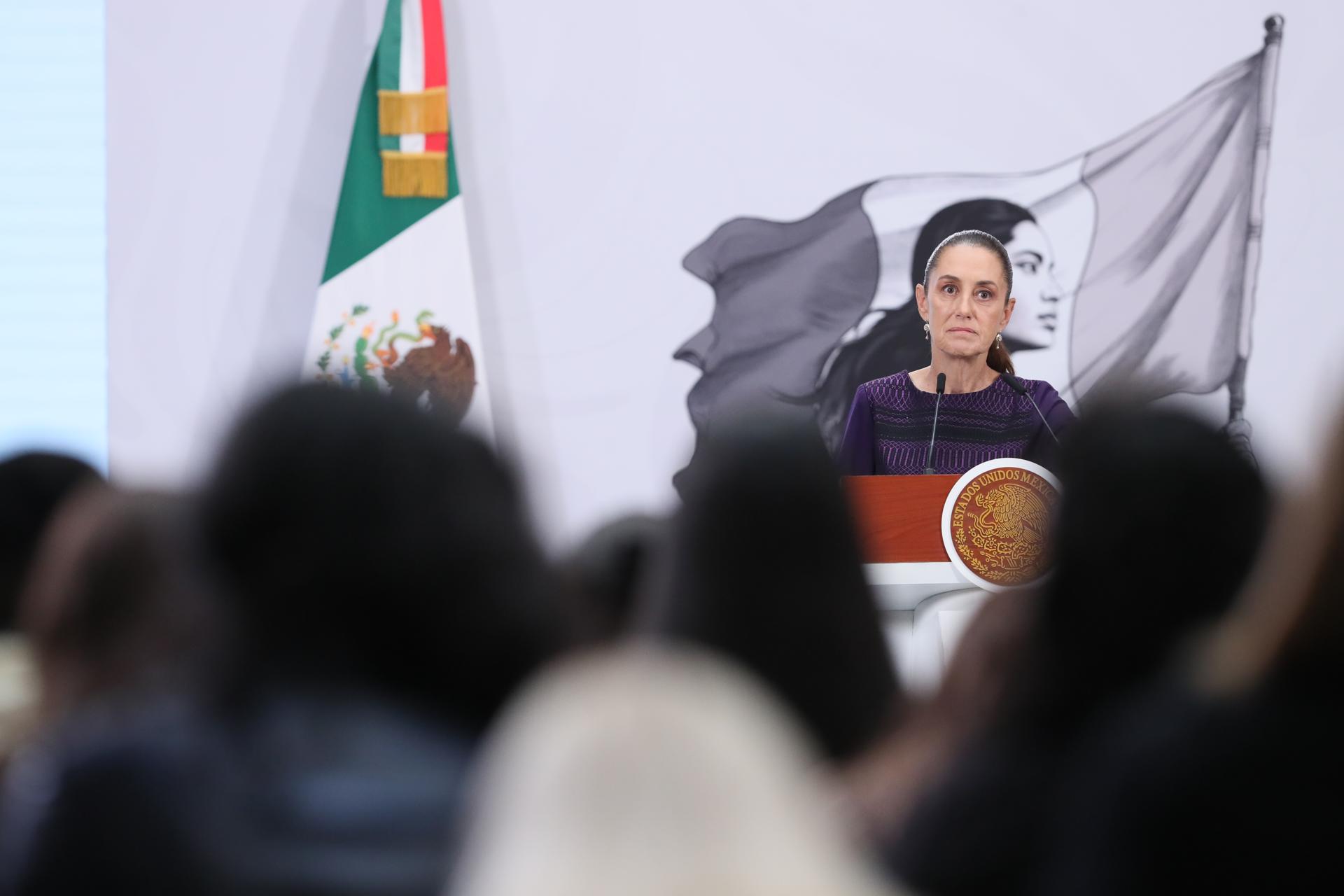
MEXICO CITY – The deaths of two U.S. agents and two Mexican nationals during an anti-drug operation in the state of Chihuahua have reignited debate over the presence of U.S. agents operating in Mexican territory. President Claudia Sheinbaum defended national sovereignty and strict adherence to legal frameworks on Friday. Diplomatic tensions have escalated in recent days, with Sheinbaum demanding an explanation from Washington regarding the participation of U.S. agents in the operation in Chihuahua, a state bordering the U.S. Security analyst David Saucedo noted that the incident highlights a growing trend of unilateral actions by U.S. agencies without prior notification to Mexico’s federal government, driven by concerns over potential information leaks to criminal organizations. Saucedo explained that agencies like the CIA, FBI, and DEA have long conducted intelligence, investigative, and tactical support operations in Mexico, often under discreet coordination with Mexican authorities. However, in recent years, Washington has reduced intelligence sharing with Mexico’s federal government, citing risks of information falling into the hands of organized crime. Information obtained from extradited cartel leaders, particularly those linked to the Sinaloa Cartel, has enabled U.S. agencies to identify clandestine labs, trafficking routes, and institutional protection networks without fully sharing data with Mexico. Sheinbaum reiterated her stance on Friday, emphasizing that foreign agents must operate within Mexico’s constitutional and legal frameworks. She stated, 'Sovereignty is non-negotiable. Cooperation and coordination must always adhere to our laws.' She also stressed that any collaboration with foreign agencies must be authorized by the Foreign Affairs Ministry and reported to the federal Security Cabinet. Saucedo noted that Sheinbaum’s position has political implications, bolstering her nationalist rhetoric and public support. However, he predicted that the institutional demands would not fundamentally alter the practical cooperation between the two nations. He argued that bilateral security relations are driven more by pragmatism than formal legal agreements, and covert U.S. operations in Mexico are likely to continue despite the public debate over sovereignty and legality. While he dismissed the likelihood of a major diplomatic crisis, Saucedo acknowledged that the incident adds to existing tensions between the two governments on issues like migration, security, and trade.
AI summary · Source: Telemundo McAllen (KTLM) →